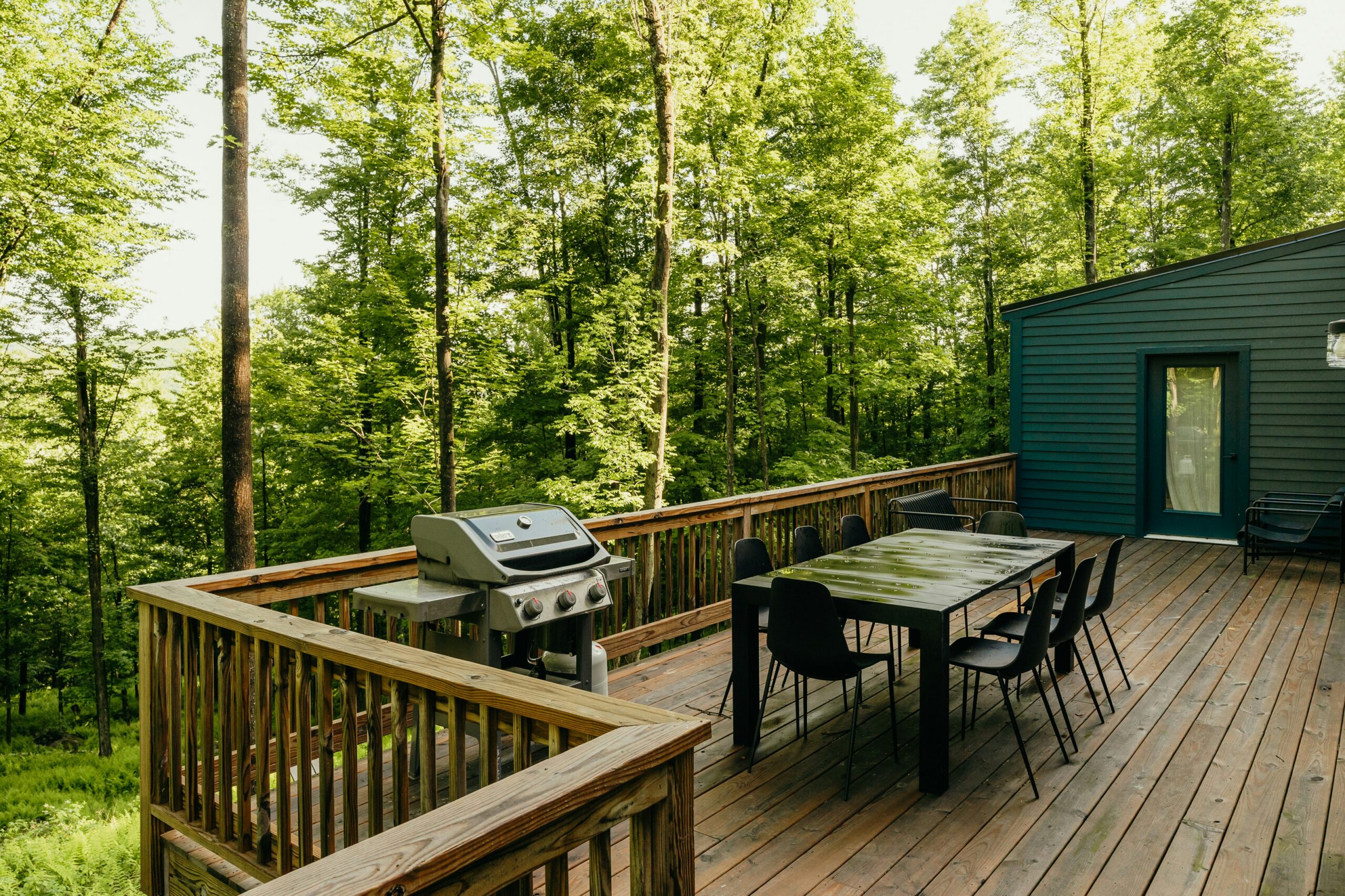
Your deck is designed, the permit’s filed, and the framing is set. You take this glorious moment to relax. Suddenly, you’re confronted with a whole new set of decisions, this time surrounding railings for your new deck. Height. Material. Style. Spacing. Add-ons. Never fear, Albaugh & Sons has been building decks across the greater Frederick area since 2003, and we’ve helped homeowners make the right calls on decisions like these hundreds of times.
Railing decisions follow a logical order, and each one narrows the next. Today we’ll walk you through all the deck railing options you’ll need to weigh, in the order that makes sense, so you go into the conversation with your builder feeling fully prepared.
Decision 1: Height & Safety
Railing height isn’t a style preference. Once your deck reaches a certain elevation, a railing is required, and its height is set by code. Below that elevation, a railing is optional, though many homeowners add one anyway for peace of mind when it comes to kids and pets.
Most residential decks fall in a range of 36 to 42 inches, and the taller your deck, the more likely you’ll land at the upper end of that deck railing height range. We cover specific numbers and permit steps in our Frederick County deck permit guide, but today’s decisions are about choices rather than rules.
Decision 2: Material
Material affects the look, the upkeep, and the long-term cost of your railing:
- Wood deck railing brings a classic look that pairs well with a wood deck, but it needs regular staining or sealing to hold up against the area’s heat, humidity, and freeze-thaw winters.
- Composite deck railing, via big industry names like Trex, TimberTech, Deckorators, and Azek, offers the considerable appeal of low maintenance; it resists moisture and mold, and it won’t warp when Maryland’s long, hot summer settles in.
- Aluminum deck railing is lightweight, rust-resistant, and holds its finish through freeze-thaw cycles better than most options.
- Cable railing gives a modern, minimalist look with strong sightlines, though at a higher installed cost.
- Glass railing keeps the view completely open, a good fit for decks built to showcase a backyard or wooded lot.
Weighing your choices in deck railing materials means matching the material to how it holds up in our Mid-Atlantic climate. If you’re leaning toward composite for the deck itself, our composite deck installation guide is a good next stop.
Decision 3: Infill & Baluster Style
Once you’ve picked a material, the next choice is what fills the space between the top rail and the deck floor. Traditional vertical balusters suit Colonial and Craftsman homes. Horizontal rails give a cleaner line for modern and ranch-style homes. Cable and glass infill open up the sightlines, a great choice if the whole reason you built the deck was for the view. The right choice is whichever set of deck railing options matches your home’s architecture, so the finished deck looks like it belongs there.
Decision 4: Post Layout & Views
Post placement shapes how the deck feels day to day. Posts spaced too tightly section off the view; spaced too far apart, they look thin and unfinished. If your deck is built for entertaining (taking the party outside), this decision determines whether your railing nicely frames the experience or gets in the way of it.
Decision 5: Add-Ons Worth Deciding Early
A few features are far easier to plan for now than to retrofit later:
- Post-cap and rail lighting for evening use
- A drink or dining rail for entertaining
- A gate for pets, kids, or pool access
None of these add much to the cost when built in from the start. Adding them later usually means removing and rebuilding finished railing, which costs more than planning ahead would have.
Decision 6: Maintenance & Long-Term Cost
The lowest price tag up front doesn’t always mean the lowest cost over time. A wood deck railing typically costs less to install but requires annual staining and repairs. A composite deck railing costs more up front and pays that back in less maintenance. An aluminum deck railing lands in between on price and needs almost no upkeep once installed.
Which material is right for you? We’ll walk you through all three options.
Why These Decisions Are Easier (And Cheaper) With a Pro
Your material choice affects your post spacing. Your height requirement affects your infill options. Get one piece wrong and you can end up with a railing that fails inspection, clashes with the deck, or has to be redone.
That’s the value a builder brings. Albaugh & Sons walks homeowners through all six of these deck railing options together, as one connected decision instead of six separate guesses. You don’t need to become an expert in railing code or material science before you talk to us. Just tell us how you want to use your deck, and we’ll help you land on the right railing for it. (See why hiring a local deck contractor still matters.)
Quick Answers to Common Questions
How high should a deck railing be? Most residential deck railings fall between 36 and 42 inches, depending on your deck’s height and local code. Your builder will confirm the exact deck railing height for your project.
How high can a deck be without a railing? In most jurisdictions, decks under 30 inches above grade don’t require one by code, though many homeowners still add a railing for safety around kids and pets.
How much is cable deck railing installed? Cable railing typically costs more per linear foot than baluster or aluminum systems, given the hardware involved, but many homeowners find the near-unobstructed view worth the difference.
Bringing It Home
Planning a deck railing comes down to six decisions, each one flowing into the next.
- Height
- Material
- Infill style
- Post layout
- Add-ons
- Long-term cost
Matching your deck railing materials and style to your home is easiest with someone who’s made these calls before. Get all six right at the start, and you end up with a railing that’s safe, fits your home, and holds up for years.
You don’t have to make these decisions alone. Albaugh & Sons has been guiding Frederick-area homeowners through their deck railing options since 2003, and we’re ready to do the same for you. Request your free estimate and let’s talk through what makes sense for your deck.

Albaugh Insights
Stay in the know! Check out all the latest news, tips, and guides with our blog.
Deck Railing Options: 6 Decisions to Make Before You Build
Your deck is designed, the permit’s filed, and the framing is set. You take this glorious moment to relax. Suddenly, you’re confronted with a whole new set of decisions, this time surrounding railings for your new deck. Height. Material. Style....
Read More
How Much Does It Cost to Paint the Exterior of a House in Maryland?
Paint is a beautiful thing, literally. Whether it's minimalist white, shocking pink, or something soothingly in between, fresh paint is a straightforward way to change the look and feel of a home. Plenty of people tackle smaller jobs themselves, a...
Read More
Do You Need a Permit to Build a Deck in Frederick County? Your Deck Permit Guide
Considering a new deck this year? If so, you've probably asked the big question already: Do you need a permit to build a deck? For homeowners in Frederick County, the answer is almost always yes. Attached decks, elevated decks, and...
Read More
Fence Installation in Maryland: What Homeowners Need to Know
Whether you're looking for privacy from the neighbors, a safe space for your kids and pets, or just a way to define your property line, a new fence is one of the most rewarding home improvements you can invest in....
Read More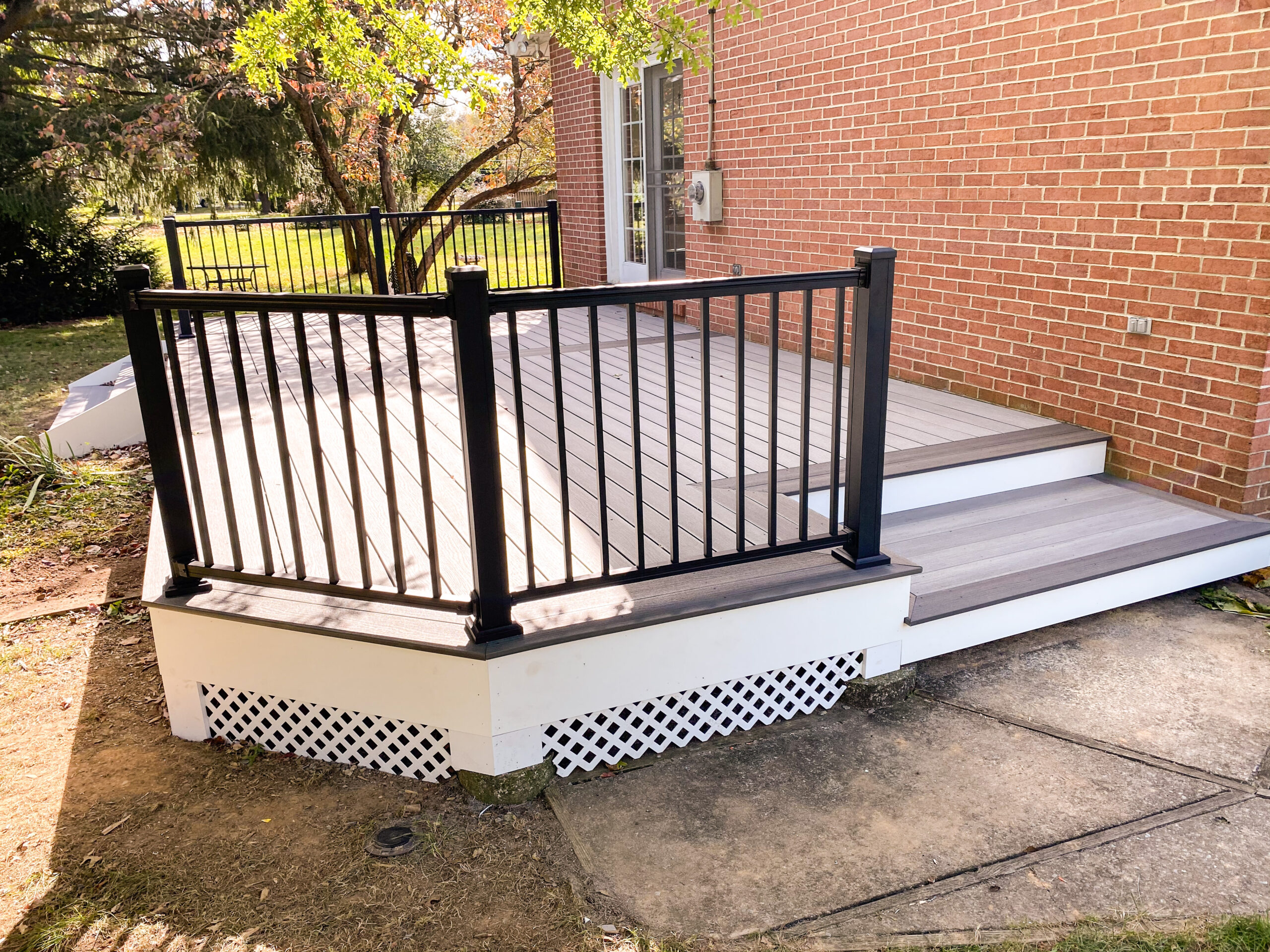
5 Common Spring Deck Issues and How Professional Deck Repair Services Can Help
Winter is hard on everything, but especially on those things that don’t have the ability to seek shelter when the worst of it rolls through. Perhaps your garden. Maybe your car. Definitely your deck. After months of freezing temperatures, ice,...
Read More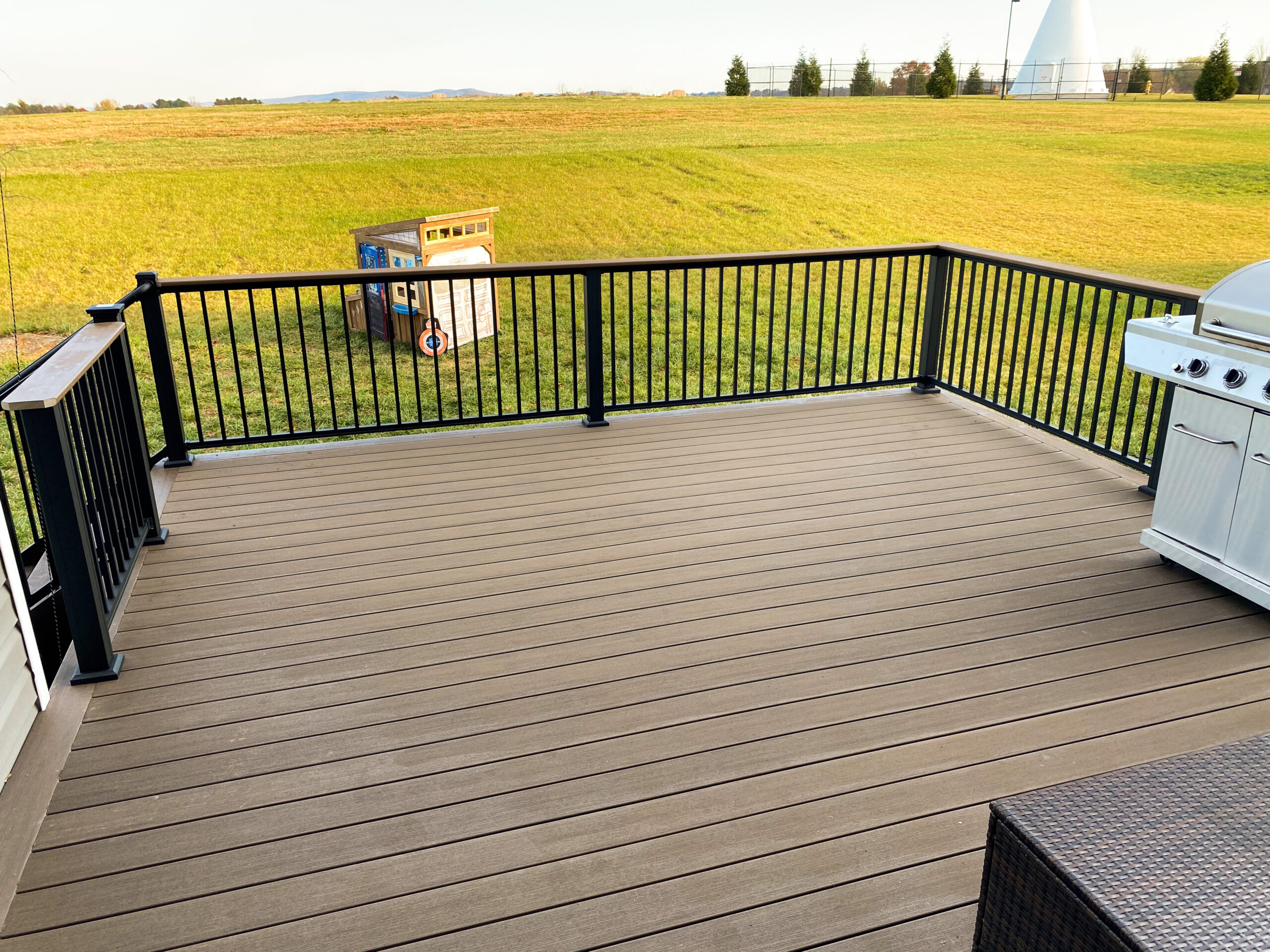
Composite Deck Installation in Frederick, MD: What Homeowners Should Expect
We’ve come a long way, baby. Decks used to be built of wood, period. Wood is fantastic. It’s a classic material, of course, though it does have its drawbacks: number one of which is the large amount of upkeep it...
Read More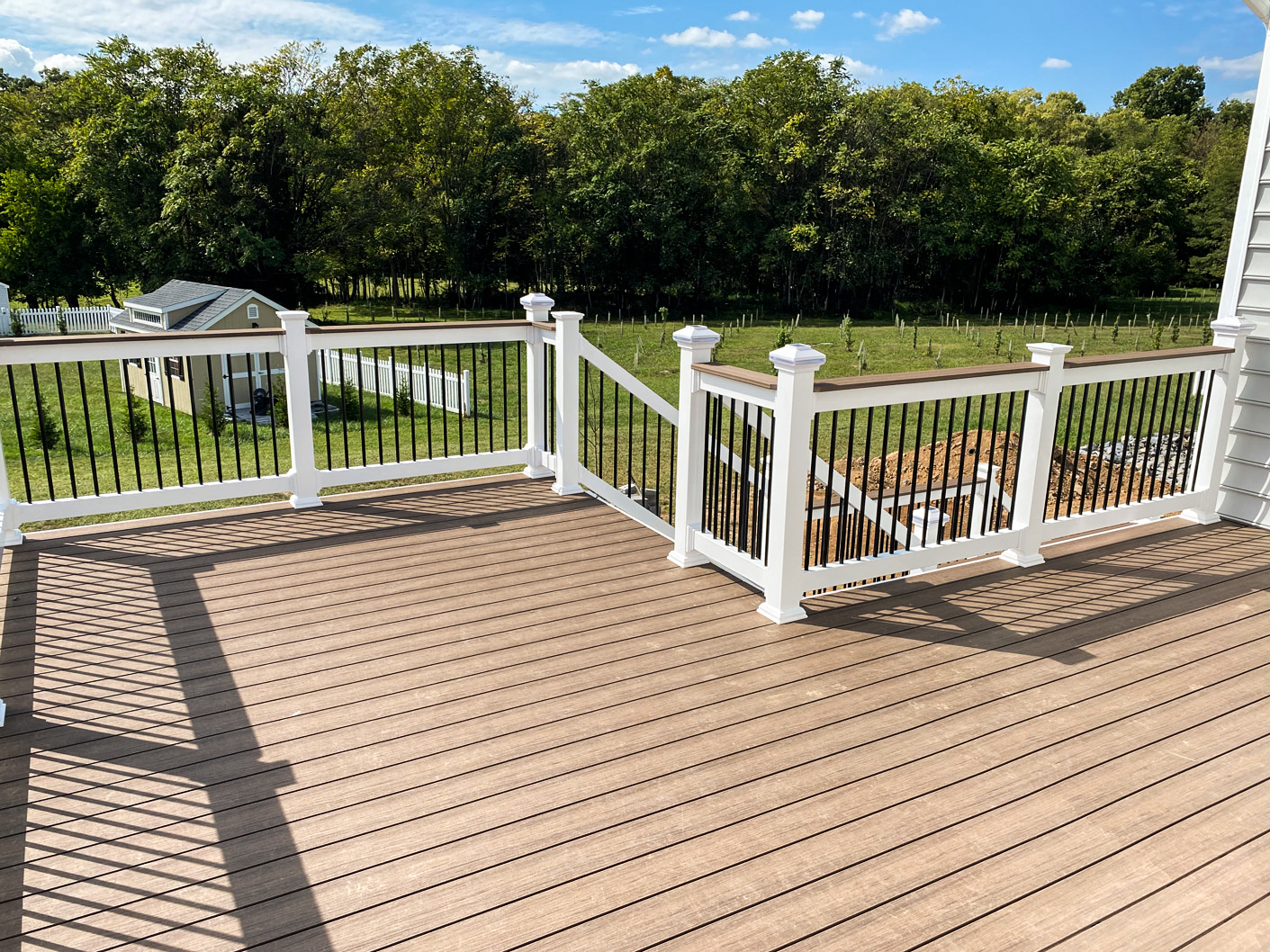
Why Hiring a Local Deck Contractor, or a Local Fence Contractor, Still Matters
Even in our über-connected world, which makes us all consumers in the global marketplace, there’s still a lot to be said for buying local. Sure, that wheel of Yorkshire cheddar, shipped all the way from the U.K., is probably really...
Read More
2026 Interior Home Painting Trends You’ll Love
After millennia of human beings experimenting with color, particularly how it can be applied to everything from clothing to walls and even to themselves, one might assume there’s nothing under the sun left to discover as far as color goes;...
Read More
Fence & Deck Maintenance Guide to Help You Prepare for Winter
When the cold weather looms on the horizon, we can simply walk inside and set the thermostat to a comfortable temperature. Our decks and fences can’t, though. They may be designed to withstand a certain degree of weather-related assaults, but...
Read More
Fall Home Maintenance: Why Exterior Painting Services Are a Smart Pre-Winter Move
What if we told you that painting your house this fall is a smart choice… from a maintenance perspective? Sure, that fresh coat will make your house look great! But there’s more to it than that. Just as stain protects...
Read More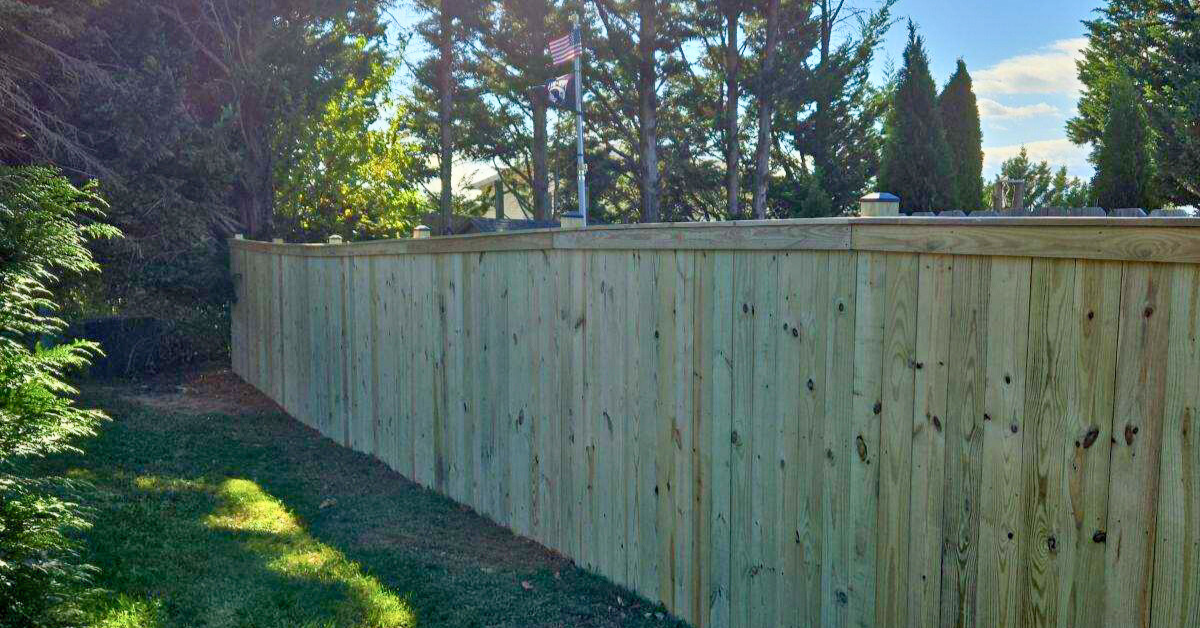
What to Consider Before Getting a Wood Fence Installation
Don’t have enough privacy in your backyard? Does the dog keep trying to run away? Whatever the reason, a wood fence installation is a great solution to your predicament. In addition to giving you the privacy and security you’re looking...
Read More
Crucial Tips for Staining a Deck
Think of a knight from your favorite fantasy movie or show. One of their defining aspects is their armor. Not only does it protect them from harm, but it looks cool as heck. In a way, the same line of...
Read More
Making Sure Squirrels Don’t Chew On Your Wooden Deck
This post was updated on August 14, 2025, to give you the most current information. Squirrels are common to see in many people’s yards, and these little guys can be pretty active. Sometimes, they can cause problems, though, and one...
Read More
Painting In the Rain: Why It Should Be Avoided
This post was updated on August 1, 2025, to give you the most current information. If you’re going to get exterior painting done for your house, you’ll have to take the weather into account. How your paint job will look...
Read More
Fixing Marks Made By Paint Rollers, and How You Can Prevent These Marks From Forming
This post was updated on July 25, 2025 to give you the most current information. For anyone doing a painting project, there are many tools that can be used to help with the job. However, even though there are tools...
Read More
7 Signs It’s Time for Bathroom Remodeling Services
We spend a lot of time in the bathroom. We use it to brush our teeth, wash our face, take a shower, and … other stuff. The point is, since we spend so much time there, the space should be...
Read More
How to Prepare Your Home for Exterior Painting Services
Get your house ready before your exterior painting contractor arrives! Ah, a fresh coat of paint. It can breathe new life into your home’s exterior. Everything will look more vibrant and welcoming when all is said and done—assuming you go...
Read More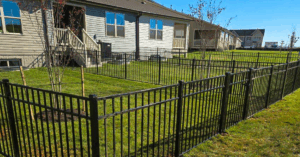
Aluminum Fence Maintenance Tips for Homeowners
So the time has come to get a fence! First of all, congratulations. In our opinion, a fence can work wonders for your home and property overall. It’s great for safety, security, aesthetics, property line demarcation, and increased home value....
Read MoreCustomer Testimonials
We could talk all day about the happy homeowners we’ve provided renovations for, but the real measure of merit lies in customer reviews. See what people are saying about Albaugh & Sons.