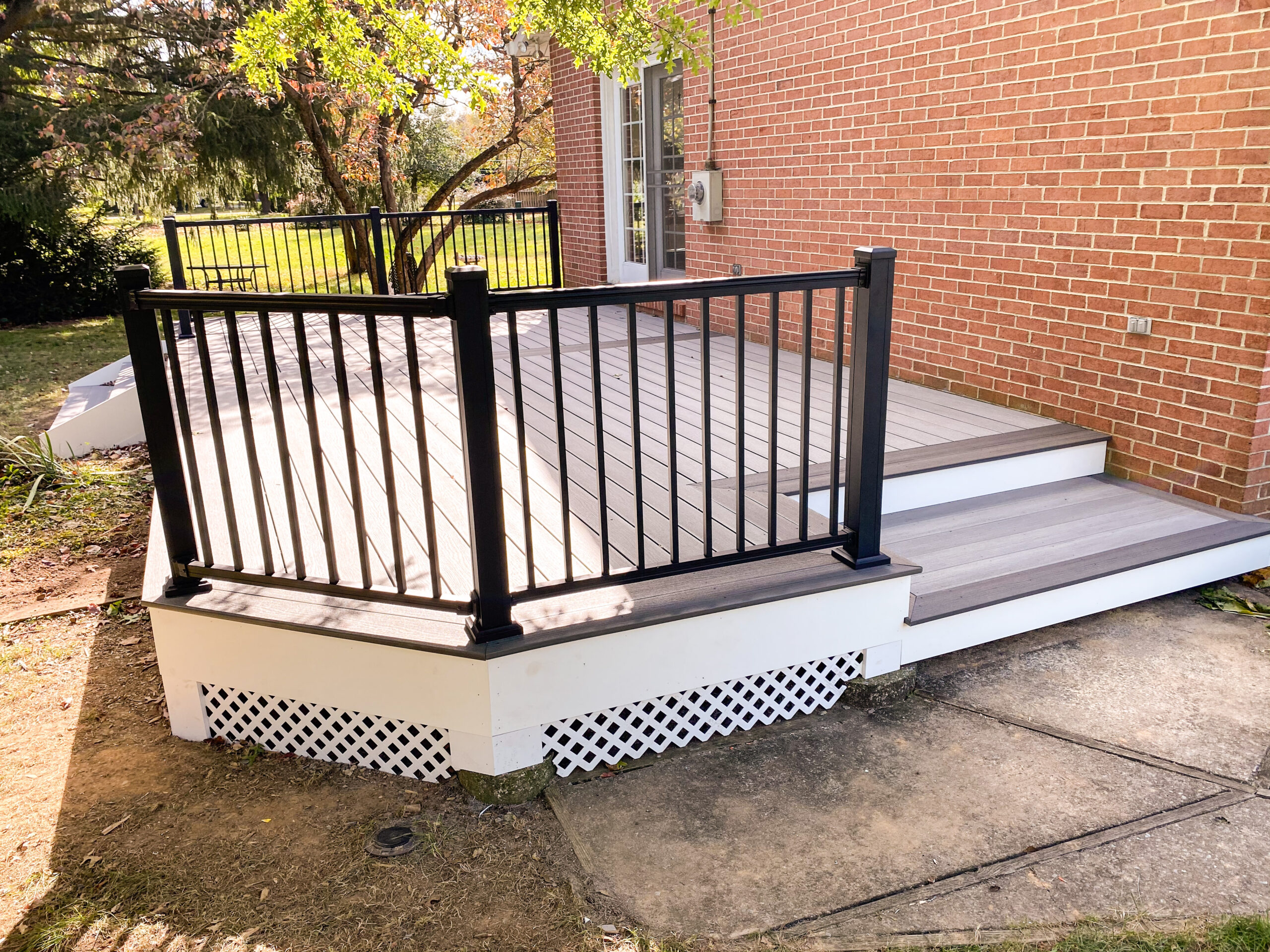
Winter is hard on everything, but especially on those things that don’t have the ability to seek shelter when the worst of it rolls through. Perhaps your garden. Maybe your car. Definitely your deck. After months of freezing temperatures, ice, snow, and relentless freeze-thaw cycles, your deck has taken a beating. Spring is the perfect time to assess the state of it and any issues before they become expensive structural problems.
Happily, many common spring deck repairs are straightforward to identify. Knowing what to look for, and when to call in the pros, can save you significant time and money down the road. To this end, here are five key areas every homeowner with a deck should inspect this spring.
1. Inspecting & Replacing Damaged Boards
Your deck boards take the brunt of winter’s punishment. Walk your deck slowly and look for:
- Cracked or split boards caused by moisture expanding and contracting inside the wood
- Warped or cupped boards that have buckled due to prolonged exposure to moisture
- Soft or spongy spots that indicate rotting wood beneath the surface
To safely remove a damaged board, unscrew or pry up the fasteners, lift the board out carefully, and check the joists below for any secondary damage before installing a replacement. When selecting new materials, composite decking is an excellent option for Frederick-area homeowners; it’s engineered to resist the kind of moisture and temperature swings Maryland winters deliver year after year. Professional deck repair services can help you choose the right material for your specific deck and climate.
2. Fixing Loose or Wobbly Railings
Railings loosen over time for a simple reason: Wood expands and contracts with the seasons, and that repeated movement works fasteners loose. After a full Maryland winter, what was once a solid railing can become a genuine safety hazard. To tighten railings:
- Check each post at its base for wobble. A wobbly post means the connection to the deck frame has weakened.
- Replace stripped screws with longer, corrosion-resistant hardware that can get a better bite.
- Add post anchors or blocking between the joists to reinforce the connection point.
Safety tip: Never assume a railing is secure just because it looks fine. Apply lateral pressure to each section. If it moves, it needs attention (ideally by someone skilled in professional deck repair services) before anyone leans on it.
3. Repairing or Replacing Deck Fasteners
Fasteners are the unsung heroes of deck integrity, and they’re often the first things to fail. After winter, you may notice:
- Raised nail heads that have popped up due to wood movement
- Rusty or corroding screws that have lost their grip
- Missing fasteners where boards have shifted and worked hardware completely loose
Upgrading to stainless steel or coated deck screws is a smart investment. They resist the rust and corrosion that standard hardware is prone to, especially in climates with wet springs and humid summers. Proper fastening isn’t just cosmetic; it’s what keeps your boards stable and your deck safe for years to come. Comprehensive deck repair services will always include a thorough fastener inspection and upgrade as part of the process.
4. Cleaning and Treating the Deck Surface
Even a structurally sound deck can look rough after a Maryland winter. Mold, mildew, algae, and dirt accumulate over the cold months and can actually degrade your deck surface if left untreated. Here’s how to restore it:
- Pressure wash the entire surface using a wide-angle tip to remove grime without gouging the wood.
- Use an eco-friendly deck cleaner to tackle mold and mildew. Harsh chemicals can damage wood fibers and harm surrounding landscaping.
- Apply a fresh coat of sealant or stain once the deck is fully dry. This protects against UV rays, moisture, and wear while restoring that like-new appearance.
A clean, sealed deck doesn’t just look better; it lasts longer. Don’t skip this step.
5. Checking for Structural Issues
This is the most critical inspection of all, and it’s the one homeowners are most likely to overlook because it involves getting underneath the deck. Stay on the lookout for:
- Sagging joists or beams that have bowed under the weight of snow or ice
- Cracked or split support posts that may have been damaged by ground movement
- Signs of wood rot in the ledger board: the board that connects your deck to your house
Some structural repairs are manageable DIY projects, like sistering a compromised joist. Others, particularly anything involving the ledger board or main support posts, require professional deck repair services. Structural failures are the kind of problems that don’t give much warning before they become dangerous, so err on the side of caution.
If you’re in the area and unsure what you’re looking at, professional deck repair in Frederick, MD is only ever a phone call away.
Why Wait? Call Albaugh & Sons This Spring
Spring inspections are the difference between catching a $200 problem upfront and inheriting a $2,000 one later. Once you’ve walked through the five areas outlined above, you’ll have a clear picture of what your deck needs heading into the season.
For homeowners who want the job done right, Albaugh & Sons is the team to call. As a trusted name in deck repair in Frederick, MD and the surrounding areas, we bring the experience, craftsmanship, and attention to detail your deck deserves. Whether you need targeted deck repair services for a few problem boards or a comprehensive seasonal inspection, our team delivers quality you can count on.
Ready to get your deck spring-ready? For a free estimate, and to find out why homeowners across the region trust our professional deck repair services, contact us today.

Albaugh Insights
Stay in the know! Check out all the latest news, tips, and guides with our blog.
5 Common Spring Deck Issues and How Professional Deck Repair Services Can Help
Winter is hard on everything, but especially on those things that don’t have the ability to seek shelter when the worst of it rolls through. Perhaps your garden. Maybe your car. Definitely your deck. After months of freezing temperatures, ice,...
Read More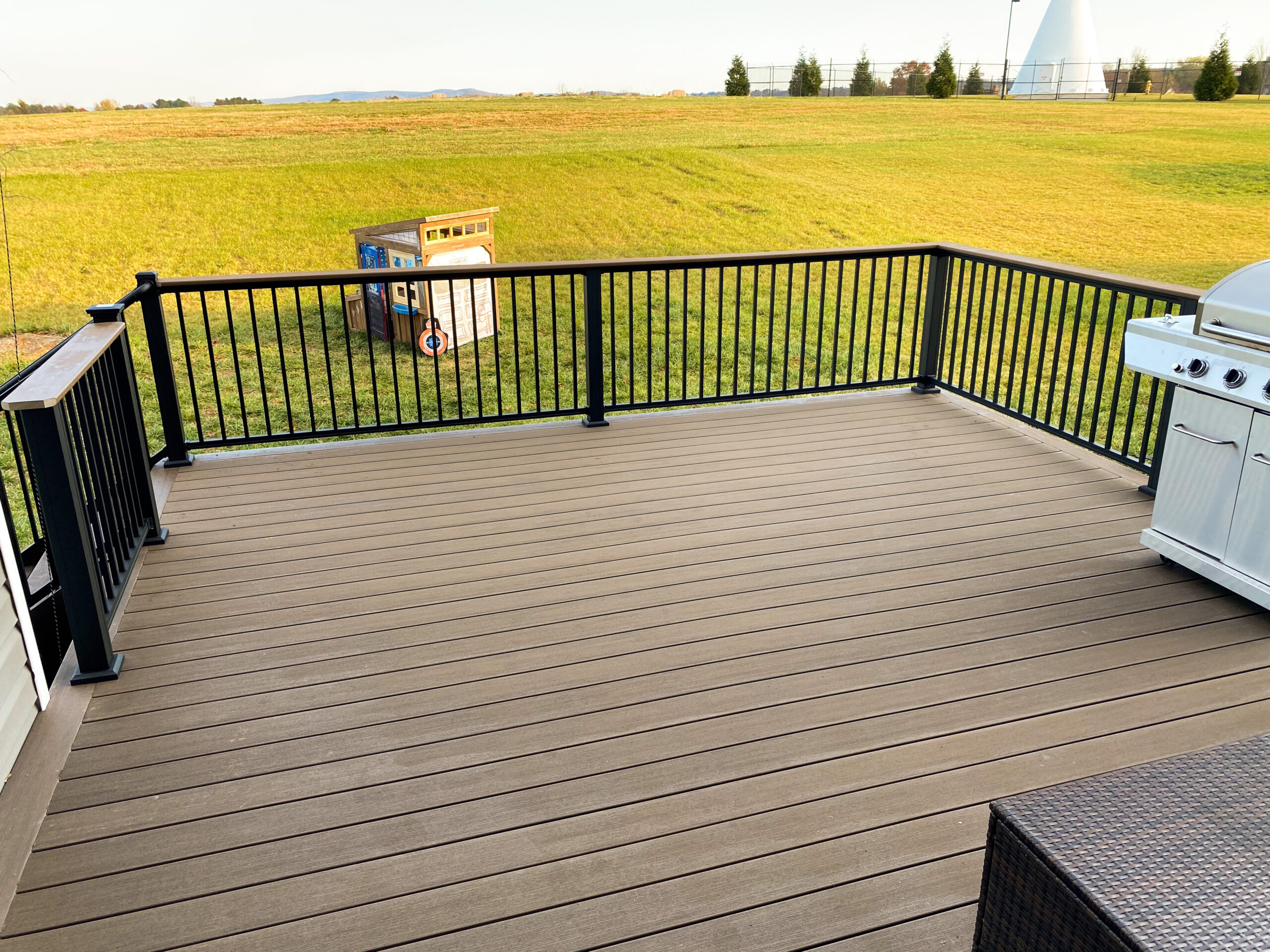
Composite Deck Installation in Frederick, MD: What Homeowners Should Expect
We’ve come a long way, baby. Decks used to be built of wood, period. Wood is fantastic. It’s a classic material, of course, though it does have its drawbacks: number one of which is the large amount of upkeep it...
Read More
Why Hiring a Local Deck Contractor, or a Local Fence Contractor, Still Matters
Even in our über-connected world, which makes us all consumers in the global marketplace, there’s still a lot to be said for buying local. Sure, that wheel of Yorkshire cheddar, shipped all the way from the U.K., is probably really...
Read More
2026 Interior Home Painting Trends You’ll Love
After millennia of human beings experimenting with color, particularly how it can be applied to everything from clothing to walls and even to themselves, one might assume there’s nothing under the sun left to discover as far as color goes;...
Read More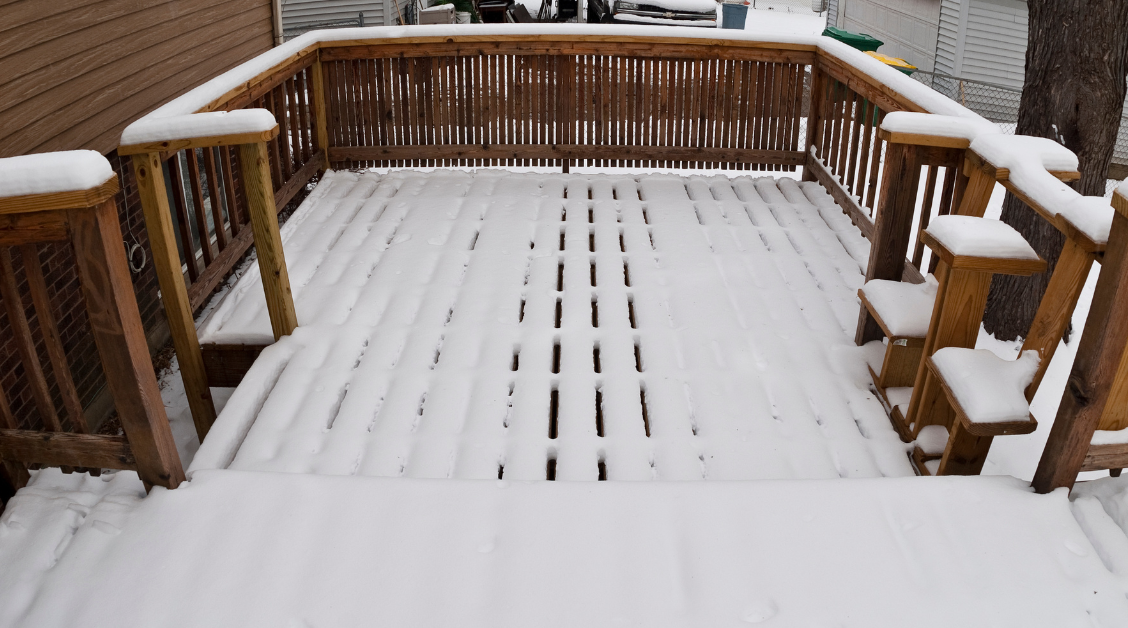
Fence & Deck Maintenance Guide to Help You Prepare for Winter
When the cold weather looms on the horizon, we can simply walk inside and set the thermostat to a comfortable temperature. Our decks and fences can’t, though. They may be designed to withstand a certain degree of weather-related assaults, but...
Read More
Fall Home Maintenance: Why Exterior Painting Services Are a Smart Pre-Winter Move
What if we told you that painting your house this fall is a smart choice… from a maintenance perspective? Sure, that fresh coat will make your house look great! But there’s more to it than that. Just as stain protects...
Read More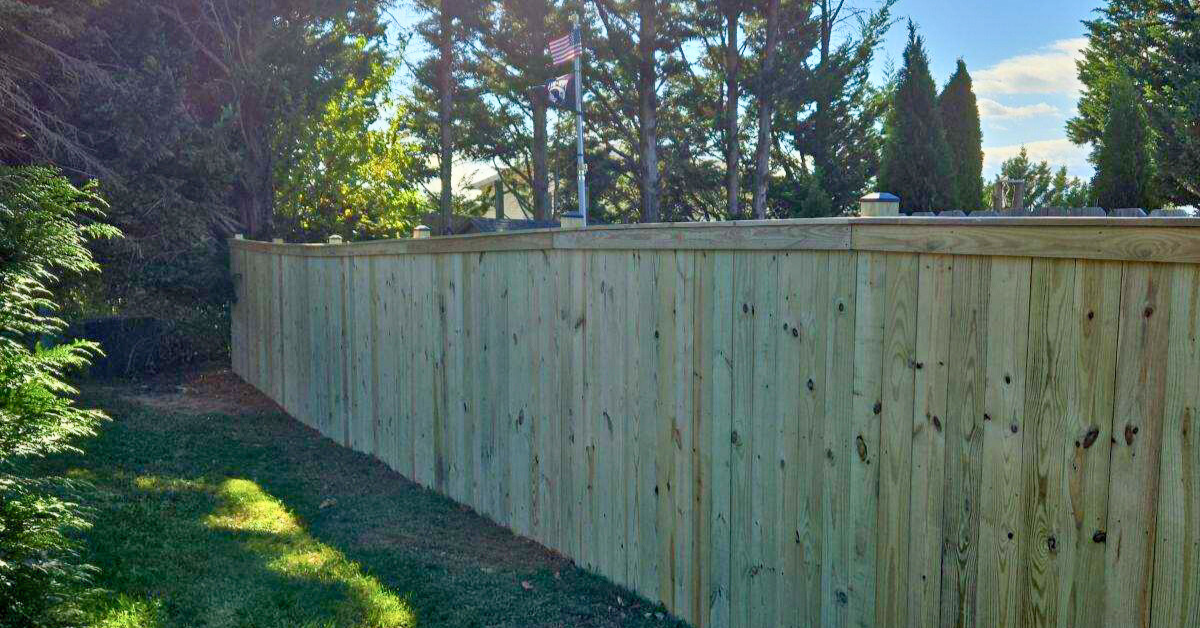
What to Consider Before Getting a Wood Fence Installation
Don’t have enough privacy in your backyard? Does the dog keep trying to run away? Whatever the reason, a wood fence installation is a great solution to your predicament. In addition to giving you the privacy and security you’re looking...
Read More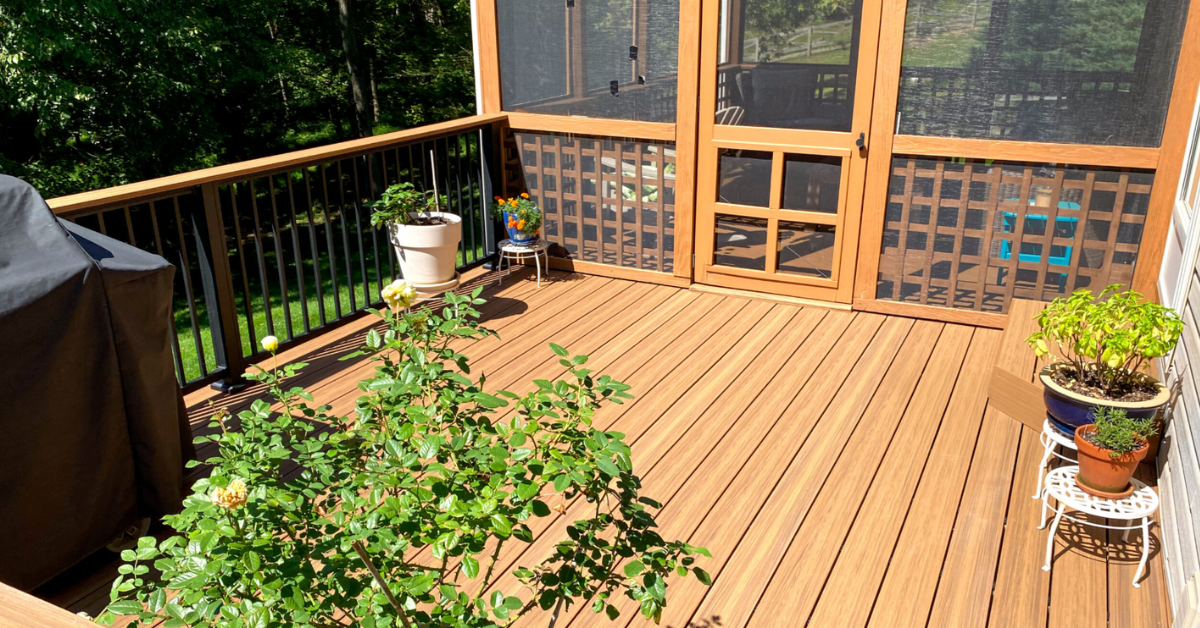
Crucial Tips for Staining a Deck
Think of a knight from your favorite fantasy movie or show. One of their defining aspects is their armor. Not only does it protect them from harm, but it looks cool as heck. In a way, the same line of...
Read More
Making Sure Squirrels Don’t Chew On Your Wooden Deck
This post was updated on August 14, 2025, to give you the most current information. Squirrels are common to see in many people’s yards, and these little guys can be pretty active. Sometimes, they can cause problems, though, and one...
Read More
Painting In the Rain: Why It Should Be Avoided
This post was updated on August 1, 2025, to give you the most current information. If you’re going to get exterior painting done for your house, you’ll have to take the weather into account. How your paint job will look...
Read More
Fixing Marks Made By Paint Rollers, and How You Can Prevent These Marks From Forming
This post was updated on July 25, 2025 to give you the most current information. For anyone doing a painting project, there are many tools that can be used to help with the job. However, even though there are tools...
Read More
7 Signs It’s Time for Bathroom Remodeling Services
We spend a lot of time in the bathroom. We use it to brush our teeth, wash our face, take a shower, and … other stuff. The point is, since we spend so much time there, the space should be...
Read More
How to Prepare Your Home for Exterior Painting Services
Get your house ready before your exterior painting contractor arrives! Ah, a fresh coat of paint. It can breathe new life into your home’s exterior. Everything will look more vibrant and welcoming when all is said and done—assuming you go...
Read More
Aluminum Fence Maintenance Tips for Homeowners
So the time has come to get a fence! First of all, congratulations. In our opinion, a fence can work wonders for your home and property overall. It’s great for safety, security, aesthetics, property line demarcation, and increased home value....
Read More
5 Expert Residential Painting Tips for Homeowners
A fresh coat of paint could be the difference between a home looking like a haunted house or the neighborhood model—boosting curb appeal and even functionality. It’s a great way to add significant value to your home, and it’s also...
Read More
How to Find the Right Contractor for Your Spring Deck Installation
Spring is beginning to peek out from behind the cold curtain of winter, and it's eager to bring its warmer weather with it! As we all wander out of our homes without the need to put multiple layers of clothing...
Read More
Choosing the Right Fencing Materials for Your Maryland Home
Having your own slice of heaven is good, but having one with its own fence is great. A fence can serve several purposes—enhancing security, boosting property value, providing privacy, or simply bringing your property aesthetic together—but there’s more to keep...
Read More
5 Benefits of Installing a Privacy Fence
For being a stationary structure, a privacy fence sure does provide some great benefits to the home it belongs to. Sure, it can keep the dog from running away and mark your property lines, but the perks go deeper than...
Read MoreCustomer Testimonials
We could talk all day about the happy homeowners we’ve provided renovations for, but the real measure of merit lies in customer reviews. See what people are saying about Albaugh & Sons.